Affordable Ossian Asphalt Specialists
Essential Services Provided by Asphalt Contractors for Residential and Commercial Properties
Asphalt contractors fulfill a critical role in enhancing the aesthetics and functionality of both residential and commercial properties. Their services span from driveway installation and parking lot paving to essential maintenance tasks like sealcoating and crack repair. Each service enhances the durability and safety of asphalt surfaces. Comprehending these offerings can help property owners make educated decisions. What particular benefits do these services offer, and how can they shape long-term property value?
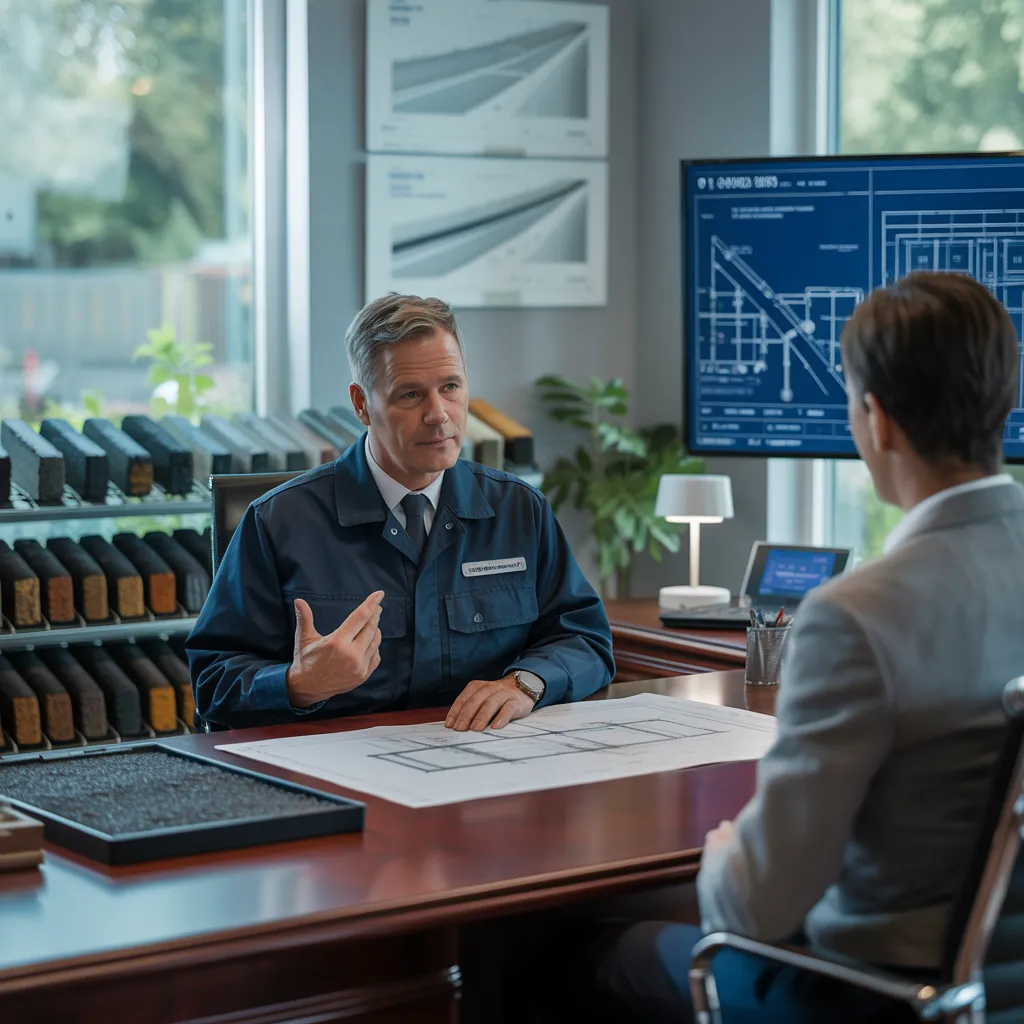
Driveway Installation and Repair
Installing and repairing driveways fulfill a critical purpose in improving both the practicality and cosmetic charm of residential properties. A well-constructed driveway delivers reliable and dependable access for vehicles while also contributing to the overall curb appeal of a home. Asphalt contractors focus on creating resilient driveways that resist various weather conditions and heavy traffic. They offer services ranging from initial installation to maintenance and repairs, ensuring that driveways remain in optimal condition over time. Common repair services include addressing cracks, potholes, and surface wear, which can compromise safety and appearance. By employing quality materials and expert techniques, asphalt contractors ensure that each driveway fulfills the specific needs of homeowners, ultimately increasing property value and usability.
Parking Lot Resurfacing and Paving Services
Parking lots serve as critical access points for businesses and organizations, requiring the same focus on quality and durability as residential driveways. Asphalt paving specialists focus on parking lot paving and resurfacing to confirm these areas are visually appealing, safe, and operational. The paving process typically involves property assessment, excavation, and the application of asphalt layers. Resurfacing, conversely, renews existing asphalt by installing a new layer that enhances both aesthetics and functionality. These services are essential for extending the life of the pavement, reducing the risk of potholes and cracks, and enhancing overall safety for pedestrians and vehicles. Professionally completed paving and resurfacing can substantially enhance a property's curb appeal and functional efficiency.
Seal Coating Solutions for Extended Durability
Sealcoating services play an important role in prolonging the longevity of asphalt surfaces by delivering a protective barrier against environmental damage. Consistent application of sealant can significantly improve longevity and aesthetics, making it an essential aspect of upkeep. Implementing a recommended maintenance schedule ensures that the positive effects of sealcoating are maximized over time.
Sealcoating Benefits
Keeping up asphalt surfaces is essential for their durability, and one very successful method is sealcoating. This process consists of applying a protective layer that shields the asphalt from harmful elements such as UV rays, water, and oil. By blocking oxidation and moisture penetration, sealcoating significantly reduces the risk of cracks and potholes, increasing the life of the pavement. Additionally, sealcoating enhances the appearance of asphalt, giving it a clean, dark finish that increases curb appeal for both residential and commercial properties. Additionally, it aids in resisting the wear and tear caused by heavy traffic and extreme weather conditions. All in all, sealcoating serves as a cost-effective strategy for maintaining asphalt integrity, ultimately sparing property owners funds for repairs and replacements.
Recommended Maintenance Schedule
A well-planned maintenance schedule is essential for maximizing the benefits of sealcoating and maintaining the longevity of asphalt surfaces. Commonly, it is recommended that commercial and residential properties undergo sealcoating every two to three years, depending on traffic volume and environmental conditions. Regular inspections are essential, as they can help spot cracks or damage early, allowing for timely repairs. In addition, property owners should keep a routine of cleaning the surface to remove oil, debris, and chemicals that can degrade the asphalt. Developing a proactive maintenance plan not only extends the life of the surface but also elevates its appearance and safety. By maintaining this schedule, property owners can secure their investments successfully.
Crack Repair and Filling Services for Asphalt
Untreated cracks in asphalt can develop into serious damage, making timely filling and repair vital. Asphalt crack sealing and restoration encompass locating and addressing fissures to stop water infiltration and further deterioration. Technicians apply specialized materials, such as hot rubberized sealants, which respond to thermal variations, providing lasting performance. The process commences with clearing the cracks to remove debris and moisture, followed by applying the sealant to effectively fill the gaps. This service not only prolongs the lifespan of the asphalt but also elevates the aesthetic quality of the surface. Regular maintenance, including crack filling, is essential for both residential and commercial properties, preserving value and maintaining safe entry for automobiles and walkers both.
Parking Lot Striping and Marking
Roadway and parking lot line striping and marking are essential for ensuring safety compliance standards. Design and layout must be proper and imperative for effective traffic guidance, while the choice of materials greatly impacts durability and visibility. These elements must be understood by asphalt contractors who aim to deliver high-quality services.
Compliance and Safety Standards
Ensuring safety compliance standards in line striping and marking is essential for sustaining orderly traffic flow and preventing accidents. Asphalt contractors need to adhere to local, state, and federal regulations that specify the dimensions, colors, and materials used for markings. Proper visibility and durability are critical, as they directly impact driver and pedestrian safety. Moreover, contractors should employ reflective paint to increase visibility during low-light conditions. Regular inspections and maintenance of markings are necessary to ensure compliance and effectiveness over time. By following established guidelines, asphalt contractors help to more secure conditions, reducing the likelihood of incidents in both residential and commercial properties. Ultimately, adherence to safety standards fosters trust among clients and the community, reinforcing the importance of professional asphalt services.
Design & Layout
Strategic design and layout are crucial components of successful line striping and marking projects. Proper planning guarantees that markings are not only visually appealing but also functional. Asphalt contractors evaluate the intended use of the space, considering factors such as traffic flow, safety, and accessibility. They use precise measurements to establish the placement of lines, symbols, and directional arrows, enhancing clarity for drivers and pedestrians alike. Furthermore, contractors often work with property owners to customize layouts that meet specific needs, such as reserved parking or loading zones. The result is a well-organized surface that maximizes space utilization while promoting safety. A careful design approach ultimately contributes to the longevity and effectiveness of the markings applied.
Types of Materials Used
Choosing the suitable materials for line striping and marking is a fundamental aspect that directly impacts the longevity and visibility of the markings. Asphalt contractors generally employ a variety of paint types, including water-based, solvent-based, and thermoplastic materials. Water-based paints are chosen for their fast drying time and eco-friendliness, making them perfect for residential applications. Solvent-based paints deliver improved durability and resistance to weather conditions, suitable for high-traffic commercial areas. Thermoplastic materials, which are heated and applied, provide outstanding longevity and visibility, often used for long-lasting markings. Furthermore, reflective materials can be added to boost visibility at night or in low-light conditions, guaranteeing safety for drivers and pedestrians alike. Each material choice addresses the specific needs of the property.
Water Drainage and Grading
When maintaining the integrity of asphalt surfaces, adequate drainage solutions and grading are vital components. Asphalt contractors serve a vital function in planning effective drainage systems that inhibit water accumulation, which can cause surface damage and deterioration over time. By evaluating the property's topography, they can apply grading techniques that channel water away from the asphalt, guaranteeing optimal runoff. This process not only defends the pavement but also improves the overall longevity of the surface. Additionally, expertly performed drainage solutions decrease the risk of potholes and cracks, protecting the functionality and aesthetics of both residential and commercial properties. Ultimately, prioritizing proper drainage and grading is necessary for preserving the quality of asphalt installations.
Maintenance Solutions for Asphalt Pavement
Regular maintenance programs for asphalt surfaces are essential for extending their lifespan and securing superior performance. These programs typically include scheduled inspections, crack sealing, and sealcoating, which shield the asphalt from UV damage and moisture infiltration. By managing minor issues swiftly, property owners can stop costly repairs and protect the surface's integrity. Additionally, regular cleaning to remove debris and oil spills helps maintain an attractive appearance and inhibits deterioration. Professional asphalt contractors can establish customized maintenance schedules tailored to specific property needs and environmental conditions. Ultimately, implementing a thorough maintenance program not only enhances the durability of asphalt surfaces but also contributes to safety and aesthetic appeal, making it a prudent investment for both residential and commercial properties.
Frequently Asked Questions
How Much Time Does Asphalt Need to Cure Following Installation?
Asphalt generally needs 24 to 48 hours to harden after installation. However, full curing can take several weeks, based on environmental conditions including temperature, humidity, and the thickness of the asphalt layer installed.
What Factors Affect the Expense of Asphalt Services?
A number of factors impact the pricing of asphalt services, including quality of materials used, project scale, location, labor expenses, and extra features like drainage or reinforcement. Every element plays a vital role in determining total pricing.
Is Asphalt Application Feasible in Cold Weather?
Asphalt may be installed in cold weather, but it necessitates special techniques and materials to ensure proper adhesion and curing. Cold temperatures can negatively affect the performance, creating potential long-term complications if not dealt with correctly.
How Frequently Should I Seal My Asphalt Surface?
It is recommended to seal an asphalt surface every three to five years, depending on factors like climate, usage, Downers Grove Electrician and wear. Regular sealing helps maintain durability and appearance, extending the lifespan of the asphalt.
What Is the Average Lifespan of an Asphalt Driveway?
Asphalt driveways typically last between 15 to 30 years, based on factors such as climate, maintenance, and usage. Regular sealing and repair work can considerably extend its lifespan, maintaining durability and aesthetic appeal over time.